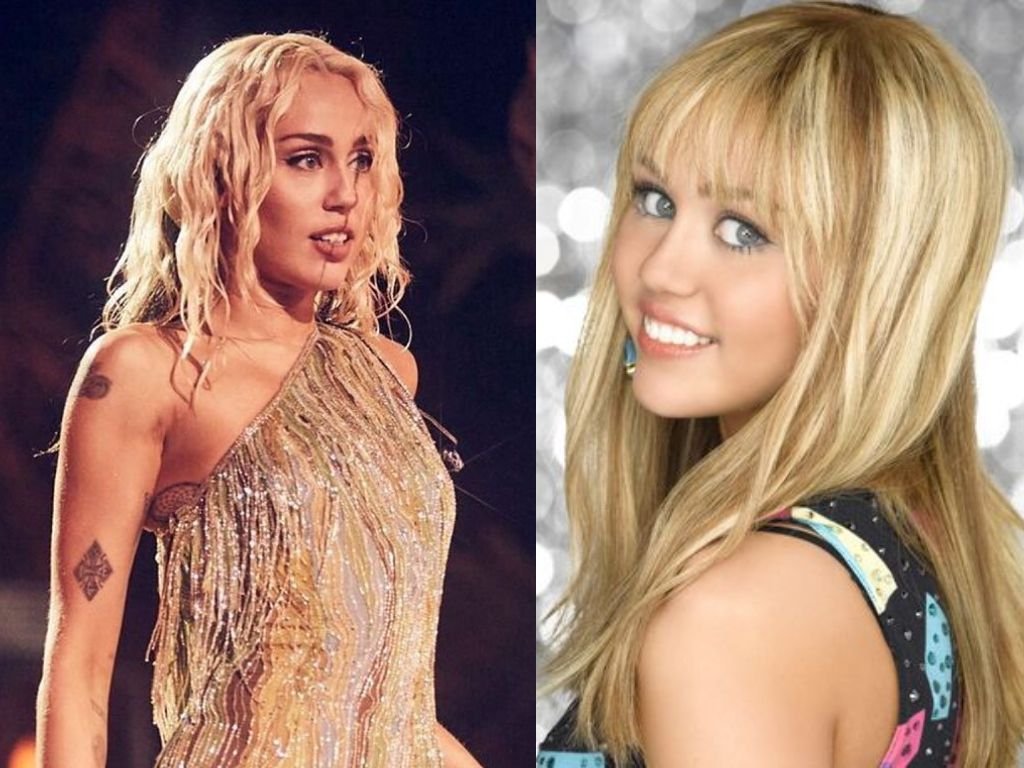
The world watched a 13-year-old girl named Miley Cyrus transform into a global phenomenon as Hannah Montana, the secret pop star next door. For five years, she was the face of Disney Channel, a beacon of wholesome tween ambition. But what happens when the wig comes off for good? The journey through Miley Cyrus's Post-Hannah Montana Career Transition isn't just a tale of artistic growth; it's a raw, sometimes "violent," saga of shedding a manufactured identity to embrace authentic selfhood, defying industry expectations and paving a unique path to enduring stardom.
This article isn't just a recount; it's an exploration into the strategic, emotional, and often controversial decisions that defined one of the most compelling career evolutions in modern pop culture. We'll delve into the challenges, the triumphs, and the hard-won artistic freedom that has ultimately cemented Miley Cyrus as a true icon.
At a Glance: Miley's Road to Reinvention
- From Child Star to Global Icon: Miley Cyrus navigated a challenging transition from her Disney Channel persona, Hannah Montana (2006-2011), which launched her to unprecedented fame at 13.
- The Disney Ban: Post-series, Disney prohibited Cyrus from performing Hannah Montana songs due to catalog control, a restriction recently lifted by her 2024 Disney Legend honor.
- "Violent" Reinvention: Cyrus described shedding her Disney image as "both liberating and terrifying," necessitating a drastic reinvention, notably seen in her 2013 VMAs performance.
- Artistic Evolution: Influenced by "North Star" Beyoncé, Cyrus embraced diverse sounds, from a psychedelic phase to a successful rock pivot with Plastic Hearts, and her recent Grammy-winning pop hit "Flowers."
- Fan Support & Critical Acclaim: Consistent fan support has empowered her creative risks, leading to #1 albums and critical recognition for her authentic artistry, distinguishing her as a rare successful child star transition.
- Reclaiming Her Past: Now 31, with her first #1 single after 17 years in music, Cyrus plans to blend all her musical eras in an upcoming tour, fully embracing her journey.
The Golden Cage: Living Under the Hannah Montana Lights
Imagine being 13 years old and suddenly the most famous teenager on the planet. That was Miley Cyrus's reality when Hannah Montana debuted in March 2006 to a record-setting 5.4 million viewers for Disney Channel. The show was a cultural phenomenon, launching not just a TV series but a brand, a lifestyle, and a musical empire. Under the Hannah Montana moniker, Cyrus released three No. 1 Billboard 200 albums and delivered 20 Billboard Hot 100 hits, including memorable tracks like "He Could Be the One" and "The Best of Both Worlds."
This era was a double-edged sword. It provided an unparalleled platform, global recognition, and a built-in fanbase that most artists could only dream of. Yet, it also created a persona so powerful that it threatened to consume the real person behind it. Miley Cyrus was inextricably linked to Hannah Montana, a character designed to embody wholesome, relatable, yet aspirational teen dreams. The lines blurred, not just for the public, but inevitably for Miley herself. She was living two lives, just like her character, but without the luxury of a secret identity.
The success was undeniable, but the inherent conflict was simmering beneath the surface. How do you transition from being a beloved character, a corporate asset, to an autonomous artist with your own voice, desires, and complexities? This was the monumental question facing Miley Cyrus as Hannah Montana concluded its run in 2011.
The Unveiling: Why the Break Was Inevitable
For many child stars, the end of their defining role marks a precipice. For Miley, it was an opportunity, albeit a daunting one, to finally define herself. The challenge wasn't just artistic; it was deeply personal. Disney, as you might expect, held significant control over the Hannah Montana catalog and brand. Post-series, they placed a ban on Cyrus performing any Hannah Montana songs. This wasn't just a minor inconvenience; it was a deliberate severance, forcing Miley to forge an entirely new musical identity free from the shadow of her past, at least on stage.
This restriction, while seemingly punitive at the time, ironically acted as a catalyst. It removed the option of simply touring as a grown-up Hannah, pushing Miley into uncharted territory. It forced her to ask: who am I without the blonde wig, the catchy pop songs, and the Disney-approved image?
This wasn't just about evolving her sound; it was about reclaiming her narrative. To move forward, she had to break free. And sometimes, breaking free isn't a gentle untangling; it's a dramatic, explosive unraveling.
Shedding the Skin: The "Violent" Reinvention (2013-2015)
If there's one phase that defines Miley Cyrus's post-Hannah Montana career transition, it's the period leading up to and immediately following her 2013 album, Bangerz. Cyrus herself has described shedding her Disney image as "both liberating and terrifying," requiring nothing short of a "violent" reinvention. And violent it was, in the most attention-grabbing way possible.
The 2013 MTV Video Music Awards performance with Robin Thicke became the cultural earthquake that Miley engineered. It was audacious, provocative, and utterly polarizing. The foam finger, the twerking, the skimpy outfit – it was a calculated shock to the system designed to obliterate any lingering image of Hannah Montana. The message was clear: this isn't your childhood hero anymore. This is a grown woman, pushing boundaries, demanding to be seen on her own terms.
This period also gave us "Wrecking Ball," a raw, emotionally vulnerable power ballad paired with a visually arresting, controversial music video. The contrast was stark: one moment, she was provocateur, the next, a heartbreakingly exposed artist. This duality was key to her reinvention. It wasn't just about shock value; it was about showing breadth, revealing layers, and proving she was capable of more than pop-princess platitudes.
Why the "Shock" Strategy Worked
For many former child stars, attempts to "grow up" can feel forced or inauthentic. Miley's approach, while extreme, resonated because it felt like a genuine explosion of pent-up energy and identity. It leveraged the existing public fascination with her and redirected it. Suddenly, everyone was talking about Miley Cyrus again, but not as Hannah Montana. They were talking about Miley, the artist.
This "violent" reinvention wasn't just an act of defiance; it was a strategic move to:
- Command Attention: Cut through the noise and establish a new identity separate from her past.
- Signal Independence: Declare autonomy from Disney's carefully curated image.
- Expand Her Audience: Attract a more mature, alternative, and critically engaged demographic.
- Express Suppressed Creativity: Finally channel her true artistic impulses, free from corporate constraints.
Navigating the Aftermath: Critiques and Resilience
Naturally, this drastic pivot wasn't universally embraced. Critics accused her of cultural appropriation, attention-seeking, and sacrificing artistry for shock value. Parents who had watched her with their children felt alienated, and the media frenzy often overshadowed the music itself.
Yet, Miley remained remarkably resilient. She owned her choices, articulated her intentions, and rarely apologized for her artistic direction. This steadfastness was crucial. Had she wavered, the reinvention might have been perceived as a stunt rather than a genuine evolution. Instead, she continued to explore, experiment, and push boundaries, demonstrating that her transformation was more than skin deep.
This period was a masterclass in controlled chaos, where even the backlash served to solidify her new identity. It proved that Miley Cyrus wasn't afraid to take risks, even if it meant alienating a segment of her original fanbase.
The North Star and Beyond: Evolving Authenticity (2016-2019)
As the Bangerz era settled, Miley continued to evolve, demonstrating that her artistic journey was ongoing, not a one-off performance. She credits Beyoncé as "the North Star for artistic evolution," a testament to Beyoncé's ability to consistently reinvent and elevate her craft while maintaining authenticity. Miley would later collaborate with Beyoncé on "Break My Soul (The Queens Remix)" in 2022, a full-circle moment acknowledging this profound influence.
Following Bangerz, Miley entered a more introspective, psychedelic phase, which saw her experiment with folk and psychedelic rock influences in projects like Miley Cyrus & Her Dead Petz. This phase, while less commercially mainstream, was vital for her continued artistic freedom. It showcased her willingness to follow her muse, regardless of commercial pressure. As Dr. Lila Montgomery, an NYU critic, notes, this consistent pursuit of authentic artistry across different phases is what distinguishes Cyrus as a rare successful child star transition.
This period culminated in the 2017 album Younger Now, which saw Miley embracing a more country-pop sound, a nod to her Tennessee roots and a lighter, more conventional aesthetic. It was a quieter reinvention, perhaps demonstrating that she didn't always need to shock to evolve. It showed her capacity for nuance and her willingness to revisit and integrate elements of her heritage into her art. This period demonstrated a continuous willingness to explore, to not be pinned down by any single persona, but rather to be defined by her fluid adaptability.
Rock, Resilience, and Reinvention Redux (2020-Present)
Just when you thought you had Miley Cyrus figured out, she pivoted again. Her 2020 rock album, Plastic Hearts, was a critically acclaimed triumph, debuting at #1 and cementing her status as a versatile, genre-defying artist. The album, featuring collaborations with rock legends like Billy Idol and Joan Jett, felt both fresh and deeply rooted in classic rock sensibilities. It was a bold move that paid off, proving that her fanbase was not just along for the ride but actively supportive of her creative risks.
Billboard editor Mark Harris aptly observes that her recent work expertly balances experimentation with accessibility. This delicate balance is key to her sustained success. She pushes boundaries, but always with a core understanding of melody and connection that resonates with a broad audience.
Then came "Flowers" in 2023, a self-love anthem that broke streaming records and earned Miley her first #1 single after a remarkable 17 years in music. It also secured her a Grammy Award, a long-awaited formal recognition of her undeniable talent and staying power. "Flowers" was more than just a hit song; it was a cultural moment, a declaration of independence and self-worth that resonated globally. It proved that a pop star could reinvent herself multiple times, take significant risks, and still deliver a universally beloved, chart-topping hit.
At 31, Miley Cyrus is in a unique position. She has achieved peak commercial success while maintaining critical relevance and artistic integrity. Her journey from child star to a Grammy-winning artist who has commanded every stage, from Disney Channel to stadium tours, is a testament to her tenacity.
The Disney Legend: Reclaiming Her Past, Forging Her Future
One of the most poetic turns in Miley's story came in August 2024. After more than a decade of being unable to perform the songs that launched her career, Cyrus was honored as a Disney Legend at the Honda Center in Anaheim, California. This prestigious recognition wasn't just an award; it was a reconciliation. The honor officially lifted the ban, allowing her to perform Hannah Montana songs again in the future.
This moment is incredibly significant. It symbolizes a full-circle journey, not just for Miley, but for her audience. It's a testament to the fact that you can acknowledge your past without being defined by it. You can shed an image, forge a new identity, and eventually, if you do it authentically, you can even reclaim the parts of your past that were once restrictive. It's about integration, not erasure.
This newfound freedom allows Miley to look forward to an Endless Summer Vacation tour that explicitly plans to blend all her musical eras, from her earliest hits to her latest triumphs. It's a chance to synthesize the Hannah, the Bangerz provocateur, the psychedelic explorer, the rockstar, and the pop icon into one cohesive, powerful narrative. To truly appreciate the breadth of her journey, you might want to Explore Miley Cyrus and Hannah Montana in greater detail.
Miley's future plans include exploring her country roots, another natural evolution for an artist who has consistently drawn from her diverse influences. This continuous exploration is not just a whim; it’s a core component of her artistic identity.
Why It Worked: Lessons from a Child Star Who Succeeded
Dr. Lila Montgomery's assessment of Miley Cyrus as a rare successful child star transition hits the nail on the head. What are the key ingredients that allowed her to not just survive, but thrive?
- Authentic Artistry Over Persona: From the very beginning, Miley understood the difference between Hannah Montana the character and Miley Cyrus the artist. She prioritized her evolving authentic voice, even when it was challenging or controversial. She never truly "played a part" in her adult career; she became herself.
- Strategic Risk-Taking: Miley wasn't afraid to make bold, even shocking, moves. These weren't random acts; they were calculated strategies to break free from a limiting image and command attention on her own terms. The "violent" reinvention was necessary to sever the umbilical cord to Disney.
- Resilience and Conviction: She faced immense backlash and criticism but never wavered in her artistic vision. Her conviction in her choices, even when misunderstood, built trust with an audience that valued her independence.
- Fan Connection: Despite the drastic changes, a core of her fanbase remained incredibly loyal. Their support empowered her to take creative risks, knowing they would follow her through different genres and aesthetics. They respected her journey.
- Musical Versatility: Miley refused to be pigeonholed. Her willingness to explore pop, country, psychedelic rock, and hard rock showcased her genuine love for music and her capabilities as a vocalist and performer. This versatility kept her relevant and exciting.
- Embracing Evolution: Miley's career isn't a series of distinct chapters; it's a continuous, flowing narrative of growth. She understands that an artist's identity is fluid, and her willingness to embrace change has been her superpower.
The Art of Becoming: What Miley's Journey Teaches Us
Miley Cyrus's post-Hannah Montana career transition offers powerful insights, not just for aspiring artists, but for anyone looking to reinvent themselves or break free from a limiting past:
- You control your narrative. Don't let others define who you are or who you can become. Take ownership of your story, even the controversial parts.
- Reinvention can be uncomfortable, even "violent." Growth isn't always gentle. Sometimes, you have to dramatically shed old skins to emerge anew. Be prepared for resistance, both internal and external.
- Authenticity is your compass. While experimentation is important, staying true to your inner voice will always guide you towards meaningful work and lasting fulfillment.
- Your past isn't a prison; it's a foundation. Eventually, you can integrate your journey, even the parts you once struggled to shake off. Every experience contributes to the whole, making you richer and more complex.
- Support systems matter. Whether it's loyal fans, industry mentors like Beyoncé, or a dedicated team, having people who believe in your vision is crucial for weathering the storms of change.
Common Questions About Miley's Evolution
Was Miley Cyrus forced to be Hannah Montana?
While she was a willing participant who auditioned for the role, the pressures of embodying such a massive, commercially driven persona from a young age meant she was inevitably shaped by it. As she matured, the gap between Miley and Hannah widened significantly.
How did Miley manage to stay relevant through so many changes?
Her ability to consistently deliver high-quality music across genres, coupled with a fearless approach to personal expression and a strong connection with her fanbase, kept her in the public eye. She never stopped taking creative risks and adapting her sound.
What was the biggest challenge in her career transition?
The biggest challenge was undoubtedly breaking free from the ingrained perception of her as Hannah Montana. This required a deliberate, often provocative, effort to establish a distinct, adult identity, which came with significant public scrutiny and criticism.
Did Miley Cyrus regret her Hannah Montana days?
While she expressed the intense pressure and the need to break away, her recent reconciliation and Disney Legend honor suggest she has come to embrace and appreciate her past. She now speaks about integrating all aspects of her journey.
What's next for Miley Cyrus?
She plans to continue exploring her country roots, blend all her musical eras in upcoming tours, and undoubtedly keep pushing artistic boundaries, proving that her evolution is a continuous journey.
Embracing Every Era: The Path Forward
Miley Cyrus's journey from a Disney Channel darling to a Grammy-winning, critically acclaimed artist is more than just a success story; it's a blueprint for resilience, authenticity, and courageous self-definition. Her path highlights the immense pressure faced by child stars and offers a compelling narrative of how one can navigate those challenges to forge an enduring legacy.
From the record-breaking debut of Hannah Montana to the "violent" reinvention of Bangerz, the introspective detours, the rockstar pivot, and the global phenomenon of "Flowers," Miley has consistently dared to be herself. Her reconciliation with Disney and the ability to now perform Hannah Montana songs isn't just a nostalgic moment; it's a powerful symbol of an artist fully at peace with her past, empowered by her present, and excited for her future.
She is, as Dr. Lila Montgomery suggests, a rare success story—an artist who has managed to maintain an authentic voice through multiple, often dramatic, transformations. Her career is a testament to the power of artistic freedom, the importance of taking risks, and the enduring strength of a performer who understands that the truest art comes from the most honest self. As she plans to weave all these threads together in her upcoming tour, we're not just witnessing a performance; we're celebrating a life's work dedicated to becoming.